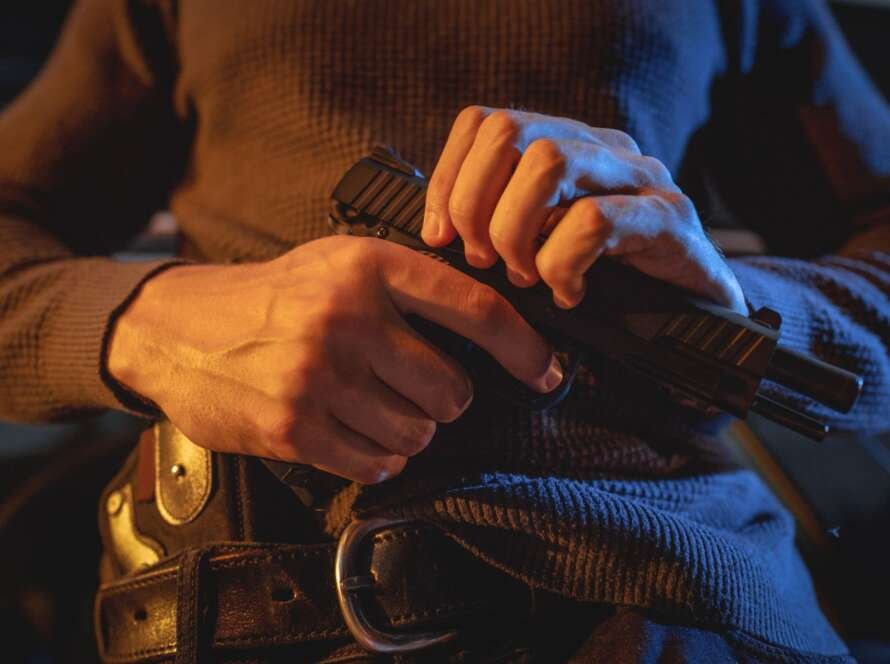
A forgotten staple, a loose target stand, a ricochet, or an accidental discharge can turn a routine range day into a medical emergency without warning. A medical kit for shooting range use is not decorative gear or a generic first-aid pouch tossed in the trunk. It is a deliberate piece of safety equipment built around the injuries that demand immediate action while emergency help is on the way.
Responsible gun ownership means planning for more than safe handling, eye protection, and hearing protection. It means having the right medical supplies within reach, keeping them protected from weather and dust, and knowing exactly where they are before something goes wrong. Know the way, hold the line – preparedness belongs at every firing line.
Why a Basic First-Aid Kit Is Not Enough
A standard first-aid kit is useful for the ordinary problems that happen outdoors: small cuts, blisters, minor burns, splinters, and headaches. Keep one available. But most off-the-shelf kits are light on the supplies that matter most when there is serious bleeding or a penetrating injury.
The difference is purpose. A range-ready kit should prioritize immediate bleeding control, wound coverage, and personal protection. Bandages intended for a scraped knuckle do not replace a purpose-built tourniquet, pressure dressing, or hemostatic gauze. In a severe emergency, the first few minutes matter far more than convenience items packed for everyday bumps and bruises.
That does not mean every shooter needs a massive medical backpack. The right setup depends on the size of the group, distance from emergency services, range rules, and whether you are shooting at an established facility or on private land. A solo shooter at a staffed indoor range may need a compact individual kit, while a family range day or remote property session calls for a more capable kit that can support more than one person.
The Core Supplies for a Medical Kit for Shooting Range Use
Start with proven, purpose-specific components rather than choosing a kit based on pouch size, camouflage pattern, or a long list of low-value extras. Quality and accessibility matter more than quantity.
A serious range medical kit should include these essentials:
- Commercial tourniquet: Choose a reputable, purpose-built model designed to control life-threatening bleeding from an arm or leg. Avoid novelty tourniquets and unverified bargain models.
- Hemostatic gauze and compressed gauze: These supplies help pack and manage wounds where a tourniquet cannot be used or is not appropriate.
- Pressure dressings: A pressure dressing helps maintain direct pressure over a wound and is faster to deploy than trying to improvise with loose bandages.
- Chest seals: For penetrating injuries involving the chest, vented chest seals are a compact, high-priority addition to a trauma-focused kit.
- Nitrile gloves: Keep multiple pairs in the kit. Gloves protect both the injured person and the responder from bloodborne exposure.
- Trauma shears: Shears allow you to cut away clothing or gear for access without using a knife near an injury.
Add a permanent marker for noting the time a tourniquet was applied, an emergency blanket for warmth, medical tape, and a compact CPR barrier. These are inexpensive items with practical value, particularly when waiting for first responders outdoors or in cold weather.
A kit can also include adhesive bandages, antiseptic wipes, burn gel, tweezers, and over-the-counter pain relief for routine issues. Just do not let those familiar items crowd out the trauma supplies that make a shooting-range kit different from the first-aid pouch in your kitchen drawer.
Buy Real Medical Gear, Not a Costume Pouch
The market is full of preassembled kits, and they vary sharply in quality. Some are thoughtfully built around genuine trauma supplies. Others use vague descriptions, questionable components, or thin, generic tourniquets included to make a product page look complete.
Look for clear product identification, reputable manufacturers, expiration dates where applicable, and a transparent item list. If a kit does not name its tourniquet model or describe its wound-control supplies, treat that as a warning sign. Savings disappear quickly when the gear fails under pressure.
Prebuilt kits are a smart option for shooters who want a ready-made foundation. Building your own is equally valid if you know the components you want. The strongest approach is often a quality prebuilt kit tailored with a few additional supplies for your location, group size, and personal medical needs.
Choose the Right Kit Size and Carry Method
A medical kit only helps if you can reach it. A fully stocked bag locked in a vehicle may be too far away when an incident occurs on the firing line. For that reason, many responsible shooters use a layered setup.
An individual first-aid kit, often called an IFAK, stays on the shooter or immediately beside their gear. It should contain the supplies needed for urgent self-aid or aid to one other person, especially gloves, gauze, a pressure dressing, and a tourniquet. Keep it compact enough that you will actually bring it every time.
A larger range bag kit serves the group. This is where extra tourniquets, additional dressings, more gloves, chest seals, blankets, and everyday first-aid items belong. If you shoot with family members or friends, do not assume one small pouch will cover everyone. Multiple people can need help after a single incident, and supplies are quickly used once packages are opened.
Placement should be obvious and consistent. Put the kit in an exterior range-bag pocket, mount it in a clearly marked location, or keep it in a bright pouch that is not confused with ammunition or tools. Avoid burying it under magazines, targets, and cleaning supplies. Tell everyone in your group where it is before shooting begins.
Range Conditions Change What You Should Carry
Indoor ranges offer structure, lighting, and often staff nearby, but they also involve confined lanes, hard surfaces, and close proximity to other shooters. A compact, immediately accessible kit is especially important. Keep it away from the firing lane but close enough to grab without searching.
Outdoor ranges add weather, terrain, insects, heat, and longer response times. Consider water, electrolyte support, sunscreen, insect protection, and an emergency blanket alongside trauma supplies. In summer, heat stress can be just as disruptive as a cut or minor injury. In colder conditions, rain protection and a dry pouch help preserve both the contents of the kit and the person using it.
Private-land shooting requires another level of self-reliance. Confirm the exact address or coordinates before firing begins, keep a charged phone available, and consider how far the nearest road or emergency access point is from the shooting location. Medical equipment is part of the plan, not the entire plan.
Keep the Kit Ready, Not Just Packed
A medical kit needs periodic attention. Inspect it before range trips or at regular intervals. Replace expired items, restock anything used, check that seals and packaging are intact, and make sure your tourniquet is clean, visible, and not buried in the pouch.
Do not use your only tourniquet as a practice prop, a strap, or a range-bag tie-down. Keep emergency equipment dedicated to emergencies. If you want an additional unit for familiarization, mark it clearly and store the ready-to-use tourniquet separately.
Also think through the first moments after an injury. Make the area safe, notify the range officer when applicable, call 911, and direct someone to meet emergency responders if the location is difficult to find. Then use the medical supplies available within the limits of your knowledge and the situation. Clear communication, rapid access, and calm action matter.
A Practical Purchase Standard
When choosing a medical kit for shooting range use, resist the temptation to buy the cheapest pouch with the biggest item count. Choose one that contains real bleeding-control equipment, fits the way you carry gear, and is easy to identify under stress. Then add the small items that make sense for your range environment and the people who shoot with you.
Your firearm, eye protection, hearing protection, and medical kit all serve the same purpose: protecting people. Pack the kit where you can reach it, inspect it before you need it, and let every range trip reflect the discipline of a responsible owner.