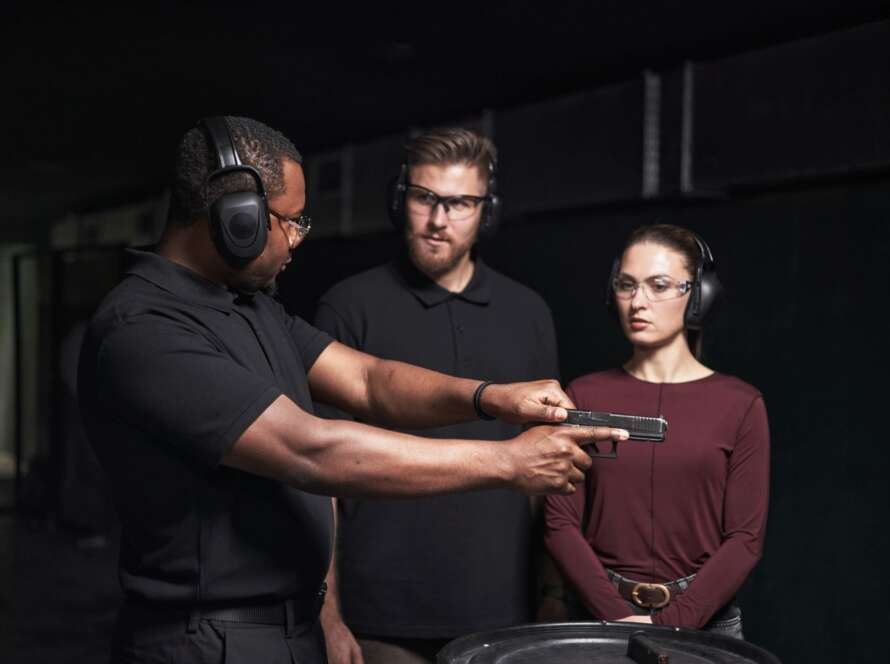
A defensive firearm may help stop a violent threat, but it cannot treat the injuries that happen before, during, or after an emergency. That is why the question of cpr training versus first aid matters for every responsible gun owner, home defender, and preparedness-minded family. These are not competing priorities. They cover different problems, and both belong in a serious safety plan.
A well-equipped home, vehicle, and range bag should reflect the reality that most emergencies are medical, not tactical. A cut from a broadhead, a severe burn from a kitchen accident, a fall, heat illness, an allergic reaction, or sudden cardiac arrest can demand calm action long before professional responders arrive. Know the Way, Hold the Line means being ready to protect life in every form.
CPR Training Versus First Aid: The Core Difference
CPR is a specific lifesaving response used when a person is unresponsive and not breathing normally, or only gasping. It centers on chest compressions, rescue breaths when appropriate, and rapid use of an automated external defibrillator, commonly called an AED. CPR is designed to keep blood moving until advanced medical care takes over.
First aid is broader. It covers the immediate care given for injury or sudden illness before emergency help arrives. That can include controlling severe bleeding, protecting a wound, cooling a burn, supporting a sprain, responding to choking, recognizing shock, or helping someone stay safe during a medical event.
Put simply, CPR is one critical tool in the larger first-aid toolbox. A person can face an emergency where first aid is needed but CPR is not, such as a laceration at the range or a burn at home. Conversely, a cardiac emergency may require CPR and an AED with little need for other supplies. A capable readiness plan accounts for both.
Why This Matters for Responsible Defenders
Responsible ownership is not limited to secure storage, safe handling, and sound judgment about force. It also means planning for what happens when someone is hurt. The person who carries a concealed handgun, keeps a defensive firearm at home, or spends weekends at the range should be prepared for ordinary accidents as well as rare worst-case events.
The trade-off is simple: a compact medical kit costs space and money, and it requires occasional inspection. But the downside of having no bleeding-control tools, no gloves, and no way to manage a basic injury is far greater. Medical gear does not replace emergency services. It helps you bridge the minutes that matter.
This is especially relevant around firearms because gunshot wounds, whether accidental or criminal, can involve life-threatening blood loss. The same supplies that help in a shooting emergency can also help after a vehicle crash, a workshop injury, or a deep cut from yard equipment. Preparedness gear earns its place by serving more than one scenario.
Build Two Layers of Medical Readiness
A practical setup has two layers: a compact immediate-response kit that stays close to you and a more complete first-aid kit kept at home, in a vehicle, or at the range. Trying to make one tiny pouch cover every medical need usually leaves important gaps.
The immediate-response kit
Your compact kit should prioritize problems that become critical quickly. For most adult defenders, that means quality disposable gloves, a purpose-built tourniquet, hemostatic gauze or compressed gauze, a pressure dressing, trauma shears, and a chest seal. A marker is also useful for recording when a tourniquet was applied.
Choose gear you can identify quickly under stress. Packaging should be durable, components should be accessible with either hand, and the pouch should have a known location. A premium item buried under loose range gear is less useful than a straightforward kit placed where everyone responsible can reach it.
Tourniquets deserve special attention. They are intended for severe, life-threatening bleeding from an arm or leg. Buy proven, purpose-built equipment rather than cheap imitations with questionable hardware. Inspect straps, buckles, windlasses, and packaging periodically. If the device is damaged, expired, or has been used, replace it.
The broader first-aid kit
A home or vehicle kit can support the problems that do not call for trauma gear alone. Include assorted adhesive bandages, sterile dressings, rolled gauze, medical tape, antiseptic wipes, burn dressings, instant cold packs, irrigation supplies, a thermometer, and basic over-the-counter items that are appropriate for your household.
Personal needs matter here. A family dealing with allergies, diabetes, asthma, or medications has different priorities than a single range shooter. Keep prescribed items in their original containers and check dates regularly. Store the kit where it is dry, visible, and protected from extreme heat whenever possible.
Do not confuse a general first-aid kit with a serious bleeding-control kit. Small bandages and ointment are useful, but they are not designed to manage massive blood loss. Keeping both types of equipment available is the more disciplined approach.
What an AED Adds to the Plan
An AED evaluates certain dangerous heart rhythms and, when appropriate, guides the user through delivering a shock. Modern AEDs provide clear voice prompts, but they must be accessible, maintained, and within their service dates to be useful.
For many households, an AED may be a larger investment than a trauma kit. Whether it makes sense depends on your household, budget, distance from emergency response, medical risk factors, and how often people gather at your property. A family with older adults, known cardiac concerns, or frequent group activities may see more value in one than a person living alone near rapid emergency response.
If you add an AED, do not hide it in a closet. Place it in a clearly known location, check the status indicator, and keep replacement pads and batteries on schedule. During a suspected cardiac arrest, call 911, begin CPR when indicated, and use the AED as soon as it is available.
First Aid Decisions Are Not One-Size-Fits-All
A first-aid kit should match the environment. A range bag needs fast access to trauma supplies and eye protection. A vehicle kit benefits from gloves, reflective items, blankets, and a larger supply of dressings. A home kit can carry more wound-care and burn-care items because space is less limited.
Consider the people who may use the gear, not just the person who bought it. A spouse, adult child, range partner, or neighbor should be able to locate the kit and understand what each pouch is for. Labeling a trauma kit and a general first-aid kit prevents wasted time and confusion.
Also remember that medical preparedness has limits. Do not remove an embedded object, attempt procedures beyond your ability, or delay calling 911 because you have supplies on hand. Severe bleeding, chest pain, trouble breathing, altered mental status, serious burns, and suspected spinal injury all warrant urgent professional medical help.
Inspect Gear Like You Inspect Defensive Equipment
Medical supplies are easy to forget because they stay out of sight until something goes wrong. Add them to the same maintenance rhythm as firearm storage, optics batteries, magazines, flashlights, and vehicle equipment.
Check for expired supplies, crushed packaging, dried-out wipes, depleted batteries, and missing components. Replace used items immediately rather than assuming you will remember later. If your kit has been tossed in a hot vehicle for months, inspect it more closely. Heat, moisture, and physical abuse can compromise packaging and adhesive materials.
Safe Haven Defense views readiness as a complete system: responsible tools, secure habits, and equipment that supports life when the situation turns serious. The best kit is not the largest one or the most expensive one. It is the kit you can reach, recognize, and maintain when seconds matter.
Before your next range day or home-safety check, open your medical kit and look at it honestly. If an injury happened in the next room, would you have the right gear ready to use while help is on the way?