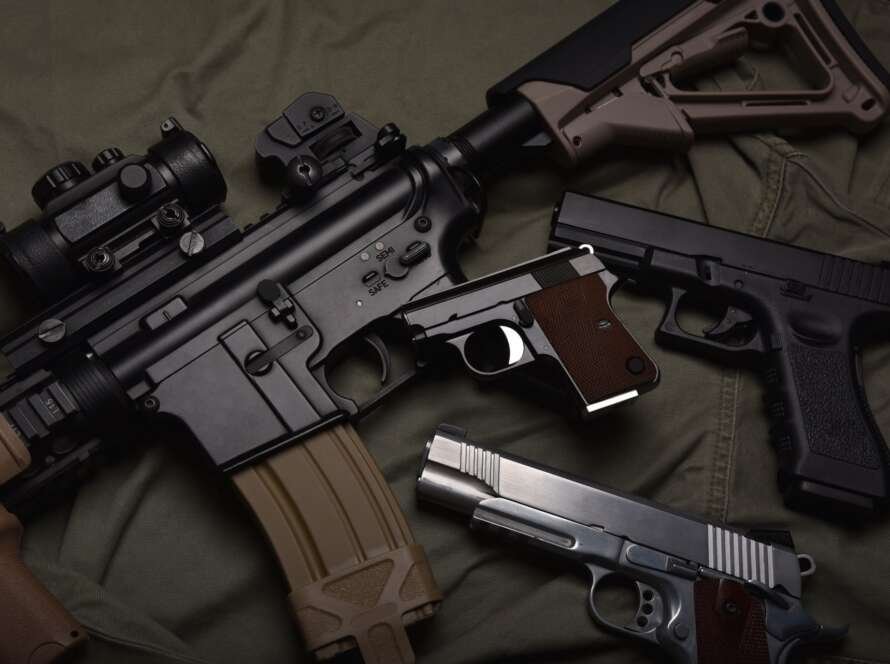
A pistol range bag should do more than carry gear from the truck to the bench. The best range bags for pistols keep firearms protected, ammunition separated, safety equipment accessible, and small essentials from disappearing into a loose pile at the bottom of a duffel. That order matters. A well-packed bag supports safer handling, faster setup, and the kind of readiness responsible gun owners expect from their equipment.
For the new pistol owner, a range bag can prevent the frustration of showing up without eye protection, magazines, or the right ammunition. For the experienced shooter, it becomes a dependable system for carrying multiple handguns and keeping every tool in its proper place. The right choice is not always the largest bag. It is the bag that fits your firearm count, your routine, and the way you prepare.
What Makes a Pistol Range Bag Worth Buying
A range bag is a working piece of gear. It gets set on gravel, concrete, tailgates, and wet ground. It may carry dense ammunition boxes, loaded magazines, protective gear, maintenance supplies, and one or more pistols. Thin fabric, weak zippers, and unstructured compartments reveal their limits quickly.
Start with the exterior. Heavy-duty nylon or polyester with reinforced stitching is a practical standard. A water-resistant base is especially valuable because range surfaces are not always clean or dry. Look for sturdy carry handles with a padded wrap, plus an adjustable shoulder strap that does not dig in when the bag is fully loaded. Metal hardware is a welcome upgrade, but high-quality polymer hardware can also perform well when it is reinforced and properly stitched into the bag.
Inside, organization should serve a purpose. Dedicated pistol sleeves or removable padded cases protect finishes and keep firearms from contacting each other. Separate magazine pockets make it easier to account for your equipment. A bright interior lining is not just cosmetic – it helps you locate a small part, patch, or tool without emptying the bag onto the bench.
The best designs also balance accessibility with control. You should be able to reach hearing protection, eye protection, and a basic first-aid kit without moving firearms or ammunition. A range bag should reduce unnecessary handling, not create it.
Best Range Bags for Pistols: Choose by Your Setup
There is no single best bag for every owner. A compact bag that is ideal for one concealed-carry pistol and a few boxes of ammunition can become overcrowded when asked to carry two full-size pistols, several magazines, cleaning gear, and a medical pouch. Choose based on your real loadout rather than buying for an imagined worst-case scenario.
Compact bags for one-pistol range days
A compact range bag works well for owners who typically bring one pistol, basic protective equipment, ammunition, and a few spare magazines. These bags are lighter, easier to store, and less tempting to overpack. Look for one padded pistol compartment, a dedicated magazine organizer, and enough room for eye and ear protection.
This style is also a sensible choice for a first-time gun owner building a reliable range kit. It encourages a simple, repeatable packing routine: firearm in its protective case, magazines in their assigned slots, ammunition secured separately, and safety gear in an easy-access pocket.
The trade-off is capacity. Compact bags can become disorganized if you add bulky electronic hearing protection, cleaning rods, multiple ammunition boxes, or a second handgun. If you regularly carry more than the basics, move up before the bag starts working against you.
Mid-size bags for regular pistol owners
For many shooters, a mid-size bag is the practical sweet spot. It can carry two pistols in padded sleeves or separate cases, several magazines, ammunition, protective equipment, and basic maintenance items without becoming excessively heavy.
Prioritize a rigid or reinforced bottom, dividers that stay in place, and exterior pockets with dependable closures. Exterior pockets are useful for a staple gun, target patches, notebook, batteries, or small tools. They should not become catch-all spaces where loose ammunition and critical safety items are mixed without thought.
A mid-size range bag offers enough room to stay organized while remaining manageable for a quick trip to the range. For most pistol-focused households, it is the most versatile purchase.
Large range bags for multi-pistol loadouts
Large range bags are built for owners who routinely bring several pistols, more ammunition, multiple sets of protective gear, and a broader maintenance kit. They can be a strong fit for a couple or family members who share range essentials but maintain separate firearm cases and magazine organizers.
Capacity is useful only when the bag remains controllable. A large bag packed with ammunition can become surprisingly heavy. Wide, reinforced shoulder straps and padded handles help, but no strap can make an overloaded bag comfortable. If the bag is difficult to lift safely or forces you to dig through layers of equipment, split the load between a range bag and a separate ammunition carrier.
For larger models, seek removable padded inserts. They let you adapt the interior as your collection and needs change. They also make it easier to remove a firearm case or cleaning pouch without unpacking the entire bag.
The Features That Matter Most
When comparing pistol range bags, focus on the features you will use every time. Marketing language is easy to add. Practical design is harder to fake.
Padded firearm storage: Dedicated sleeves, removable pistol rugs, or thick padded dividers help protect pistols from impact and abrasion. Firearms should be unloaded and stored in accordance with all applicable laws and range rules during transport.
Magazine organization: Elastic loops, labeled pockets, or removable magazine panels keep magazines upright, separated, and easy to count. This is a simple feature that can make packing and unpacking more deliberate.
Ammunition separation: A bag should provide enough structure to keep boxed ammunition or loaded magazines from shifting into firearm storage areas. Separate compartments also help avoid loose rounds rolling into places they do not belong.
A stable base: Reinforced bottoms protect the bag from moisture and wear. They also help the bag stand upright, which is valuable when opening it on a bench or ground surface.
Reliable closures: Smooth, heavy-duty zippers matter more than flashy exterior details. Test whether zipper pulls are easy to use with gloves and whether pockets close fully without strain.
Room for safety essentials: Every pistol range bag should have a predictable place for eye protection, hearing protection, and a compact first-aid kit. If those items do not fit comfortably, the bag is not truly sized for your needs.
Build an Organized Range Bag, Not a Gear Dump
The bag itself is only half the system. The other half is a consistent packing standard. Put the same type of gear in the same location every time. That habit makes pre-range checks faster and reduces the chance of leaving an essential item behind.
Keep firearms in dedicated padded sleeves or cases. Store magazines in their assigned panel or pouch. Keep ammunition boxed or contained, rather than loose in an outer pocket. Place protective equipment near the top or in a quick-access compartment so it comes out first. Cleaning supplies belong in a sealed pouch, especially oils and solvents that can leak onto fabric or other equipment.
It also helps to keep a small inventory card in the bag. It does not need to be complicated. A short reminder of your core items – eye protection, hearing protection, first aid, magazines, ammunition, and basic tools – can make a difference when you are packing in a hurry.
Avoid turning a range bag into long-term vehicle storage. Heat, moisture, theft risk, and forgotten contents all work against responsible ownership. Pack with intent, transport securely, and bring the bag inside when the day is done.
When a Range Backpack Makes More Sense
Traditional shoulder bags offer excellent organization and bench access, but a range backpack can be a better option when you need both hands free. This can be useful when carrying other equipment from a parking area or managing gear for more than one person.
A good pistol range backpack should have a structured lower compartment, padded firearm sleeves, and enough separation to prevent equipment from shifting. Be careful with oversized backpack designs. They can feel comfortable on your back yet encourage overloading, and accessing gear from a backpack may be slower than opening a conventional range bag on a bench.
The decision comes down to how you move and how you set up. If you value fast access and visible organization, choose a traditional range bag. If mobility is the priority, a structured backpack may be the better fit.
Buy for Readiness, Then Maintain It
The right range bag protects an investment in responsible ownership. It keeps your essential gear together, helps establish a disciplined routine, and gives every item a place before you arrive at the range. Safe Haven Defense customers should look for durable construction first, then select the capacity and layout that match their normal pistol setup.
Once you have the bag, inspect it periodically. Check zipper tracks, stitching, shoulder straps, and the base for wear. Remove trash, spent packaging, and loose debris after each trip. A clean, organized bag is easier to trust when you need it.
Choose the bag that makes responsible preparation feel automatic. When your pistol, protective equipment, ammunition, and essentials are secured and accounted for, you can focus on the reason you brought them: a prepared, deliberate range day.