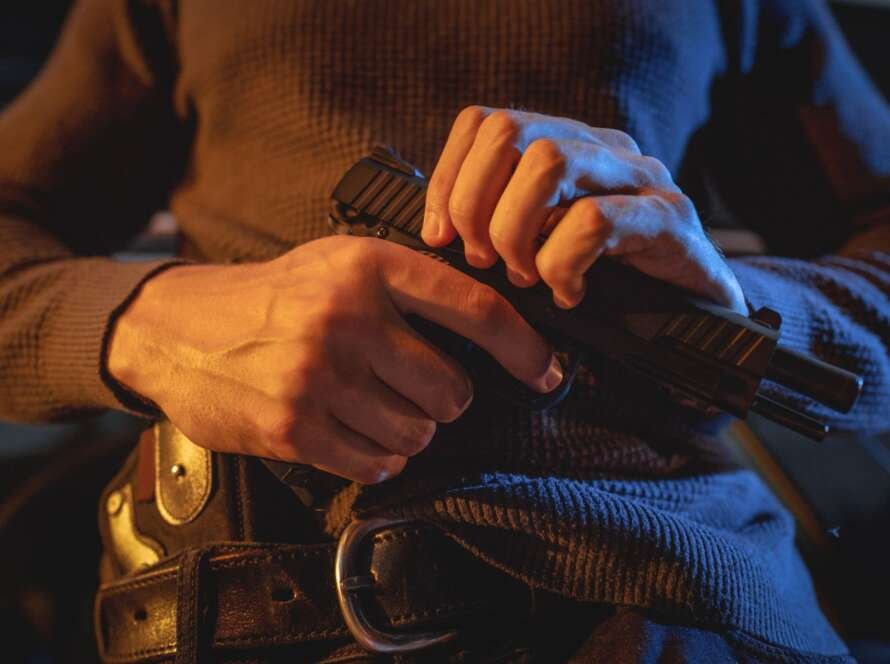
A concealed handgun on your person changes the stakes of an ordinary day. A quick stop at a school event, a posted business, or a government building can turn a lawful carry into a legal problem if you do not know the boundaries. That is why understanding north carolina concealed carry laws matters just as much as choosing the right firearm, holster, and training.
This is not an area for guesswork. North Carolina allows lawful concealed carry, but the details matter. Eligibility, permit standards, where you can carry, how you transport a firearm, and what happens when law enforcement makes contact all deserve careful attention. Good people get into trouble when they rely on hearsay, outdated gun-counter advice, or what works in another state.
What north carolina concealed carry laws require
In North Carolina, carrying a concealed handgun generally requires a valid concealed handgun permit unless a specific exception applies. Open carry is treated differently under state law, but concealed carry has its own standards and restrictions. If your handgun is hidden from ordinary view on your person or readily accessible in a concealed manner, the permit issue becomes central.
A permit applicant must meet state eligibility requirements, which typically include age, residency, completion of approved training, and passing a background review. Disqualifying factors can include certain criminal convictions, some pending charges, unlawful drug use, or other legal barriers. The permit process is handled at the county level through the sheriff, so timing and local procedures can vary.
That county-level piece is where many applicants get frustrated. The law is statewide, but administration is local. One county may move faster than another, and documentation requirements can feel different in practice even when the legal standard is the same. The smart approach is to prepare your paperwork carefully, complete recognized training, and give yourself time rather than waiting until you feel urgently under-equipped.
Training is a legal step and a practical one
North Carolina requires an approved concealed carry course as part of the permit process. That is the legal minimum. It should not be the standard you set for yourself.
A permit class helps you understand safe handling, marksmanship fundamentals, storage, and the legal responsibilities that come with carrying in public. But there is a difference between passing a course and being prepared to make good decisions under stress. Drawing from concealment, avoiding negligent handling in crowded spaces, and understanding when not to touch the gun are skills that need reinforcement.
For first-time carriers, this is where confidence is either built correctly or built on false assumptions. A quality instructor will not just help you meet the state requirement. They will help you think through situational awareness, verbal de-escalation, safe presentation, and the aftermath of a defensive encounter. That is the kind of instruction that protects your family and your freedom.
Where concealed carry is restricted in North Carolina
One of the most common mistakes people make is focusing on permits and ignoring location-based restrictions. North Carolina concealed carry laws do not give you blanket permission to carry everywhere.
Restricted places can include schools and educational property, many government buildings, certain law enforcement or correctional facilities, and areas where federal law applies. Private property owners can also prohibit carry through lawful posting or direct notice. If a business posts against concealed handguns, that sign matters. Walking past it with a covered pistol is not a small oversight.
Alcohol-related locations also require caution. The issue is not just whether a place serves alcohol, but what state law allows, what the property owner permits, and whether the carrier is consuming. Carrying a firearm while drinking is a serious judgment failure even before it becomes a legal one. If your plans include alcohol, your carry plan needs to change.
Public events can create gray areas for people who assume a fairground, parade, or community gathering is treated like any other public space. Sometimes it is not. If the event is on restricted property or subject to specific controls, your normal assumptions can break down fast.
Vehicle carry and transport rules
Vehicle carry is another area where people get tripped up. North Carolina distinguishes between lawful carry under a permit and circumstances that could be viewed as carrying a concealed weapon unlawfully. If you have a valid permit, carrying a concealed handgun in a vehicle is generally more straightforward. Without one, placement and accessibility matter a great deal.
A handgun tucked under a seat, hidden in a center console, or stored where it is not visible may create legal exposure if you are not otherwise authorized to carry concealed. By contrast, a firearm that is openly visible may be treated differently. The exact facts matter, which is why vague advice like “just keep it in the car” is dangerous.
There is also the practical side. A loose handgun in a vehicle is poor safety practice. Secure storage, consistent placement, and a plan for entering restricted locations are part of responsible carry. If you regularly move between lawful and prohibited places, a quality lockbox and disciplined routine are not optional.
Duty during law enforcement encounters
If you are carrying concealed and an officer approaches or addresses you in an official capacity, North Carolina law requires disclosure that you are carrying a concealed handgun and that you have a permit. This is not the moment for improvisation.
Keep your hands visible, stay calm, and follow instructions. Do not reach toward the firearm unless specifically directed to do so. The goal is simple: reduce uncertainty, reduce movement, and let the encounter stay professional. A lawful carrier should act like a trained, predictable adult, not like someone trying to explain their way out of a preventable problem.
This is one reason ongoing training matters. Under stress, people fall to their level of practice. If you have never thought through a traffic stop while armed, that encounter can feel harder than it should.
Reciprocity and traveling with a permit
North Carolina recognizes some out-of-state concealed carry permits, and other states may recognize North Carolina permits. That does not mean carry laws travel with you. Reciprocity only solves part of the problem.
Each state controls its own rules on prohibited locations, vehicle carry, magazine issues, notification duties, and use-of-force standards. A permit valid on one side of the border does not make you legally fluent on the other side. If you travel, treat every state line as a legal checkpoint in your planning.
For North Carolina residents, that means checking current recognition and carry restrictions before every trip. For nonresidents entering North Carolina, it means confirming your permit status and learning North Carolina-specific restrictions instead of assuming your home-state habits will hold up.
The law is one part of the standard
A permit holder can still make bad decisions while staying technically inside part of the law. That is the deeper issue. Responsible concealed carry is not just about what you may do. It is about what a disciplined person should do.
That includes carrying a handgun you can actually control, using a holster that fully protects the trigger, keeping your firearm secure from unauthorized access, and understanding that avoidance is often the strongest option. It also means recognizing that every public setting is not the right environment for every gun setup. A compact pistol with a proper belt and holster may be safer and more practical than a larger handgun you constantly adjust or leave unsecured.
Families and first-time gun owners especially benefit from building their carry system as a complete package. Firearm selection, ammunition choice, safe storage at home, first aid readiness, and realistic training all work together. If one piece is weak, the rest of the system suffers.
Common mistakes people make under north carolina concealed carry laws
Most legal trouble does not start with criminal intent. It starts with assumptions. People assume a permit lets them carry anywhere. They assume a sign does not apply if they did not notice it. They assume their friend knows the law because he has carried for years. They assume passing a class once means they are covered forever.
Another common mistake is treating the firearm as the whole solution. The gun is only one tool. Awareness, judgment, medical skills, communication, and restraint matter just as much. If you carry daily but have no plan for secure storage around children, no understanding of restricted places, and no trauma kit in the vehicle, your preparation is incomplete.
That is where a training-focused approach serves people better than a retail-only mindset. Gear matters, but guidance matters more. Safe Haven Defense is built around that principle: equipment, education, and real-world readiness should reinforce each other, not compete for attention.
Staying current without getting lost in bad information
Gun laws change. Court rulings shift the practical landscape. County procedures evolve. Even well-meaning firearm owners repeat outdated information with complete confidence.
The disciplined answer is simple. Treat the law as a living responsibility. Verify current rules before you carry in unfamiliar places. Refresh your training. Ask specific questions in a professional setting. If something sounds convenient, especially around restricted locations or vehicle carry, check it again.
Carrying concealed is a serious commitment. The right mindset is steady, not fearful. Learn the law, build competent habits, and keep your standards higher than the minimum. That is how you protect yourself, the people around you, and the right to carry responsibly.