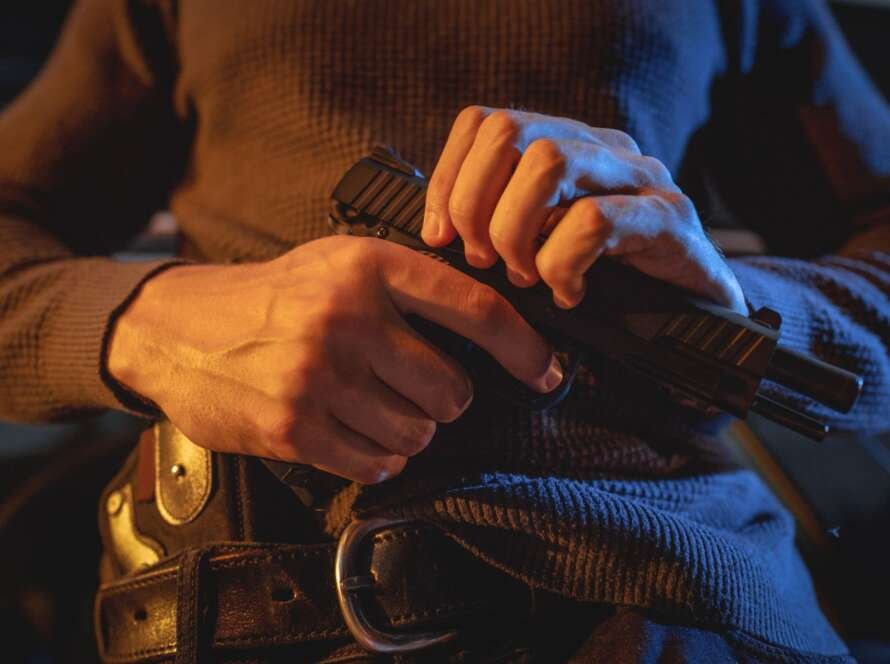
A concealed handgun is only one part of a responsible everyday-carry setup. When deciding what gear for concealed carry to buy, start with the equipment that keeps the firearm secure, discreet, accessible to you, and protected from unauthorized hands. The right choices make daily carry more consistent. The wrong ones can make even a quality handgun uncomfortable, visible, or unsafe.
A practical setup does not need to look tactical or overloaded. It needs to fit your firearm, your clothing, your routine, and the laws where you live. Build it around dependable fundamentals first, then add only the items that serve a real purpose.
Start With a Quality Concealed-Carry Holster
The holster is the foundation of the entire system. A concealed-carry firearm should never ride loose in a pocket, purse, glove box, waistband, or bag. A purpose-built holster protects the trigger guard, holds the firearm in a consistent position, and provides retention so it stays where it belongs during normal movement.
For most handgun owners, a rigid Kydex or well-constructed leather holster is the sensible starting point. Kydex offers excellent trigger coverage, moisture resistance, and a repeatable fit. Leather can be comfortable and discreet when it is properly molded, reinforced, and designed to remain open when the firearm is removed. Avoid soft, collapsing holsters that can enter the trigger guard during reholstering.
Carry position matters, but there is no universal answer. Inside-the-waistband holsters are popular because they conceal effectively under ordinary clothing. Appendix carry can provide fast access and strong concealment for some body types, while strong-side hip carry may feel more natural for others. Pocket holsters can work with genuinely pocket-sized handguns, provided the holster keeps the firearm oriented and fully covers the trigger guard.
Before relying on any holster, verify that it is made for your exact handgun model, including its light, optic, or other installed accessory. A near match is not a safe match. Confirm retention with the firearm unloaded, and inspect the mounting hardware regularly for loose screws, worn clips, or cracked material.
A Purpose-Built Belt Is Concealed-Carry Gear, Not an Extra
A standard fashion belt often sags, twists, or lets the holster shift throughout the day. That movement affects comfort, concealment, and consistency. A concealed-carry belt is built with enough stiffness to support the combined weight of a handgun, holster, and spare magazine without becoming so rigid that it is miserable to wear.
Look for a reinforced leather belt or a quality nylon gun belt with a secure buckle and adjustable sizing. The best option depends on your wardrobe. Leather generally blends well with business-casual and everyday clothing, while nylon options can offer more adjustment and a lower-profile look. Either way, buy a belt sized for carry, not just for your usual pants size. The added bulk of an inside-the-waistband holster often requires extra room.
A holster and belt should work as a pair. Strong clips and a stable belt reduce printing, rolling, and unwanted movement. This is one of the least glamorous purchases in a carry setup, but it is among the most valuable.
Choose Support Gear That Solves a Real Problem
Once the holster and belt are handled, consider the supporting gear that makes sense for your daily environment. A spare magazine is a reasonable addition for many carriers because magazines are mechanical components that can malfunction or become damaged. A dedicated magazine carrier keeps it secure, oriented, and separate from loose items such as keys or coins.
If your defensive handgun uses a weapon-mounted light, the light should be durable, easy to activate, and matched to a compatible holster. A handheld flashlight is also useful because it allows you to identify everyday hazards without pointing a firearm at anything. It is a simple item that earns its place far more often than specialized gear.
Other useful additions may include:
- A compact, reputable pepper spray for situations where a firearm is not an appropriate response.
- A small individual first-aid kit with supplies you understand and can safely use.
- A sturdy folding knife or cutting tool for ordinary utility tasks.
- A discreet lockable case for lawful transport and secure temporary storage.
Do not mistake more gear for greater readiness. A cluttered waistband, overloaded bag, or cheap collection of accessories can create problems rather than solve them. Carry equipment should remain manageable, familiar, and appropriate to your routine.
Safe Storage Is Part of What Gear for Concealed Carry Means
Concealed carry does not end when you return home, get into a vehicle, or need to secure your firearm temporarily. Safe storage equipment protects children, visitors, and other unauthorized people while helping you comply with applicable laws and property rules.
A quick-access lockbox can be a practical option for a nightstand or other controlled location. For vehicle use, choose a lockable container that can be secured to the vehicle and positioned out of view. Do not leave a firearm loose in a center console or unattended in an unprotected bag. Vehicle break-ins are a real concern, and a firearm should not become a criminal’s easy acquisition.
For longer-term storage, a secure safe or cabinet should match the number of firearms and valuables you need to protect. Consider fire resistance, locking method, mounting options, and whether the unit gives you enough room to store firearms without crowding or damaging them. Safe Haven Defense customers should view secure storage as essential equipment, not an afterthought.
Dress Around the System, Not Against It
Good concealment is usually more about fit and movement than oversized clothing. Choose garments that allow the holster to stay stable and remain covered during normal bending, reaching, and sitting. A slightly longer shirt, a structured overshirt, or a jacket may be enough, depending on your carry position.
Pay attention to printing. Printing is the visible outline of a firearm through clothing, and it can draw unwanted attention even when the firearm is technically covered. A better holster cant, a concealment wing, a sturdier belt, or a different shirt fabric may solve the issue without requiring a complete wardrobe change.
Seasonal changes deserve attention too. A setup that conceals easily under a winter layer may need adjustment during a humid summer. Test your clothing choices at home with an unloaded firearm in a safe direction. Sit, reach, bend, and move as you normally would. The goal is discreet consistency, not a costume.
Buy for Compatibility and Durability
Concealed-carry gear takes daily wear. Sweat, body movement, vehicle seats, door frames, and repeated attachment all test the materials and hardware. Prioritize reputable construction over bargain-bin accessories, especially for holsters, belts, lights, magazine carriers, and storage devices.
Compatibility deserves the same attention. If you change your handgun by adding an optic, compensator, threaded barrel, or weapon light, confirm that your holster still provides full trigger coverage and proper retention. If it does not, replace the holster. Never modify a holster with heat, cutting, or improvised hardware unless it was specifically designed for that adjustment.
It also pays to keep a simple maintenance routine. Check screws, clips, belt loops, batteries, magazine-carrier tension, and lockbox operation on a regular basis. Small issues are easier to correct before they become failures.
Keep Legal Responsibilities in the Plan
Your carry gear must support lawful, responsible ownership. Review the concealed-carry, transportation, prohibited-location, and use-of-force laws that apply where you live and travel. Rules can differ across state lines, on private property, and in government buildings. A holster that keeps the firearm secure and covered helps, but equipment never replaces sound judgment or legal compliance.
The most dependable carry setup is usually simple: a properly fitted holster, a supportive belt, secure storage, and a few carefully chosen support items. Build that foundation with quality equipment, inspect it regularly, and let every purchase serve the same purpose: protecting what matters while holding the line on safety and responsibility.